
Lifesstyle And Aactivity
How Can Daily Walks Improve Your Dog’s Health and Happiness?


Daily walks are more than just a routine—they are a cornerstone of a dog’s physical and emotional well-being. Whether short strolls around the neighborhood or longer adventures in nature, walks provide exercise, mental stimulation, and opportunities for bonding. In this article, we’ll explore how daily walks improve your dog’s health, happiness, and overall lifestyle.
Physical Health Benefits
– Weight Management: Regular walks help prevent obesity by burning calories.
– Joint and Muscle Strength: Movement keeps joints flexible and muscles strong, reducing the risk of arthritis.
– Cardiovascular Health: Walking improves circulation and heart function, just like in humans.
– Digestive Regulation: Consistent activity supports healthy digestion and reduces constipation.
Mental and Emotional Benefits
– Stress Relief: Walks reduce anxiety by providing new sights, sounds, and smells.
– Mental Stimulation: Exploring different environments keeps the brain active and sharp.
– Reduced Boredom: Dogs that walk daily are less likely to develop destructive behaviors like chewing or digging.
– Confidence Building: Exposure to new people, animals, and places helps dogs become more adaptable.
Strengthening the Bond
Daily walks are shared experiences that deepen the connection between dog and owner. Through consistent routines, dogs learn trust and reliability. Walks also provide opportunities for training, reinforcing commands like “sit,” “stay,” or “heel” in real-life settings.
Best Practices for Daily Walks
– Consistency: Aim for at least one walk every day, ideally at the same time.
– Variety: Change routes to keep walks exciting and stimulating.
– Proper Equipment: Use a comfortable leash and harness to ensure safety.
– Pace Adjustment: Match the walk’s intensity to your dog’s age, breed, and health.
– Hydration and Breaks: Always carry water, especially on longer walks or hot days.
Common Mistakes to Avoid
– Skipping Walks: Inconsistent routines can lead to restlessness and behavioral issues.
– Overexertion: Puppies and older dogs need shorter, gentler walks.
– Ignoring Signals: Pay attention to signs of fatigue, overheating, or discomfort.
Conclusion
Daily walks are a simple yet powerful way to improve your dog’s health and happiness. They provide physical exercise, mental enrichment, and emotional bonding that no other activity can replace. By committing to regular walks, owners ensure their dogs live longer, healthier, and more joyful lives.



Dogs, like humans, are deeply influenced by their environment. Stress, anxiety, and boredom can negatively affect their mood and behavior. While exercise and training are essential, relaxation techniques—such as music therapy and calm bonding sessions—can play a powerful role in improving a dog’s emotional balance. In this article, we’ll explore how music and relaxation activities impact canine psychology, the science behind sound therapy, and practical ways to integrate these sessions into your dog’s weekly routine.
The Science Behind Music Therapy for Dogs
Research shows that dogs respond to certain types of music in ways similar to humans. Slow, melodic tunes can lower heart rates and reduce stress, while loud or fast-paced sounds may increase anxiety.
• Classical Music: Proven to calm nervous dogs and reduce barking.
• Soft Instrumentals: Promote relaxation and sleep.
• Nature Sounds: Mimic outdoor environments, soothing anxious pets.
• Avoid Heavy Beats: Loud rock or electronic music can overstimulate dogs.
Music therapy works by influencing the nervous system, helping dogs regulate emotions and achieve a state of calm.
Benefits of Music and Relaxation Sessions
1. Reduced Anxiety
Dogs prone to separation anxiety or fear of loud noises (like fireworks) benefit from calming music that masks external stressors.
2. Improved Sleep
Relaxation sessions before bedtime help dogs settle down, ensuring deeper and more restorative sleep.
3. Better Behavior
Calm dogs are less likely to bark excessively, chew furniture, or display hyperactivity.
4. Enhanced Bonding
Relaxation activities—like gentle massage or quiet cuddle time—strengthen trust and affection between dog and owner.
5. Recovery Support
Dogs recovering from illness or surgery often heal faster in calm environments supported by soothing sounds.
Practical Relaxation Activities
1. Music Therapy Sessions
Play soft classical or instrumental music during rest times. Keep volume low and consistent.
2. Gentle Massage
Massage reduces muscle tension, improves circulation, and provides emotional comfort.
3. Aromatherapy
Safe essential oils (like lavender) can enhance relaxation when used carefully in diffusers.
4. Guided Breathing with Owner
Dogs mirror human emotions. Sitting calmly and breathing slowly while petting your dog helps them relax.
5. Quiet Bonding Time
Simply sitting together in a calm environment reassures dogs and strengthens emotional security.
How to Integrate Relaxation into Weekly Routine
• Daily Short Sessions: 10–15 minutes of calm music or massage.
• Before Stressful Events: Play soothing sounds before vet visits or travel.
• Evening Rituals: Use relaxation sessions to wind down before bedtime.
• Post-Exercise Cool Down: After walks or play, help dogs transition into calm states.
Challenges and Solutions
• Disinterest in Music: Experiment with different genres until you find what calms your dog.
• Overstimulation: Keep sessions short to avoid boredom.
• Owner Consistency: Make relaxation a habit, not an occasional activity.
Long-Term Benefits
• Emotional Stability: Dogs become calmer and more balanced.
• Improved Social Behavior: Relaxed dogs interact better with people and other pets.
• Healthier Lifestyle: Reduced stress supports immune function and longevity.
• Stronger Bond: Owners who invest in relaxation build deeper trust and affection.
Conclusion
Music and relaxation sessions are more than luxuries—they are essential tools for nurturing a dog’s emotional health. By incorporating calming sounds, gentle massage, and quiet bonding into your weekly routine, you can reduce anxiety, improve behavior, and strengthen your relationship with your pet. A relaxed dog is a happier, healthier companion, and these simple practices can transform their mood and overall well-being.

Dogs are social creatures by nature. While daily walks and training sessions provide exercise and discipline, they don’t always fulfill a dog’s need for companionship and play. Organizing regular playdates with other dogs can be a powerful way to enrich your pet’s lifestyle. Playdates offer opportunities for socialization, mental stimulation, and physical activity—all while strengthening the bond between you and your dog. In this article, we’ll explore the benefits of dog playdates, how to organize them safely, and why they should be part of your weekly routine.
The Importance of Socialization
Socialization is critical for a dog’s emotional and behavioral development. Dogs that interact regularly with others learn valuable skills:
• Communication: Understanding canine body language and signals.
• Confidence: Overcoming shyness or fear of new environments.
• Adaptability: Learning to stay calm in diverse situations.
• Reduced Aggression: Dogs accustomed to social settings are less likely to react negatively to strangers or other pets.
Benefits of Weekly Playdates
1. Physical Exercise
Playdates often involve running, chasing, and wrestling—activities that burn energy and keep dogs fit. This helps prevent obesity and related health issues.
2. Mental Stimulation
New environments, dogs, and games challenge your dog’s brain. Playdates prevent boredom and reduce destructive behaviors like chewing or digging.
3. Emotional Balance
Dogs that socialize regularly are happier and less anxious. Playdates provide an outlet for energy and reduce stress.
4. Improved Behavior
Social dogs are more obedient and easier to manage in public. Exposure to different personalities teaches patience and self-control.
5. Stronger Bond with Owners
Playdates are shared experiences. Owners who organize and participate in these activities build trust and affection with their dogs.
How to Organize Safe and Fun Playdates
1. Choose Compatible Dogs
Pair dogs with similar energy levels and temperaments. A calm senior dog may not enjoy rough play with a hyperactive puppy.
2. Select Safe Locations
Dog parks, fenced yards, or pet-friendly beaches are ideal. Ensure the area is secure and free from hazards.
3. Supervise Constantly
Owners should monitor interactions to prevent conflicts. Intervene gently if play becomes too rough.
4. Provide Essentials
Bring water, toys, and treats. Sharing resources encourages cooperation and keeps dogs hydrated.
5. Keep Sessions Short
Start with 30–45 minutes. Gradually increase duration as dogs become more comfortable.
Overcoming Challenges
• Shyness: Introduce timid dogs slowly, starting with one-on-one play before larger groups.
• Aggression: Use controlled introductions and positive reinforcement.
• Overexcitement: Teach commands like “sit” or “stay” to calm dogs during play.
• Health Concerns: Ensure all dogs are vaccinated and healthy before playdates.
Real-Life Examples
1. Puppies: Weekly playdates help puppies learn social cues, preventing future behavioral problems.
2. Rescue Dogs: Playdates rebuild trust and confidence in dogs with traumatic pasts.
3. High-Energy Breeds: Breeds like Labradors or Border Collies benefit from regular play to channel energy productively.
Long-Term Benefits of Playdates
• Better Social Skills: Dogs become more comfortable around strangers and other pets.
• Reliable Obedience: Training commands are reinforced in social settings.
• Reduced Stress: Regular play lowers anxiety and hyperactivity.
• Longevity: Active, social dogs often live longer, healthier lives.
Conclusion
Weekly playdates are more than just fun—they are essential for your dog’s physical health, mental sharpness, and emotional balance. By organizing safe, structured play sessions, you provide opportunities for exercise, socialization, and bonding. Playdates enrich your dog’s lifestyle, making them happier, healthier, and more well-adjusted companions.
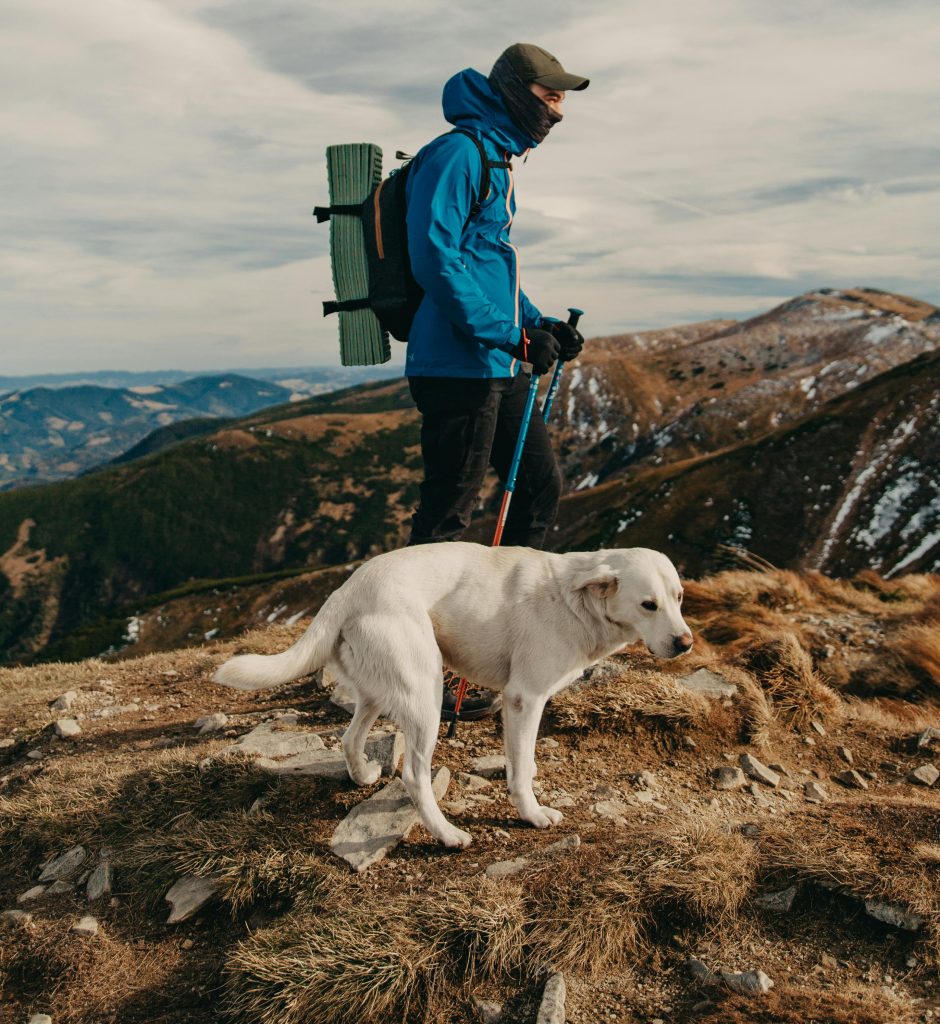
Hiking is more than just a walk in nature—it’s an adventure that challenges both body and mind. For dogs, hiking offers a unique combination of physical exercise, mental stimulation, and emotional bonding with their owners. Whether you’re exploring forest trails, mountain paths, or coastal routes, hiking can significantly improve your dog’s endurance while deepening the connection you share. In this article, we’ll explore the physical, psychological, and relational benefits of hiking, along with practical tips to make every journey safe and enjoyable.
Physical Benefits of Hiking
1. Building Endurance
Hiking involves varied terrain—inclines, declines, and uneven surfaces—that push dogs beyond the routine of flat walks. This strengthens muscles, improves stamina, and enhances cardiovascular health.
2. Weight Management
Long hikes burn more calories than short walks, helping dogs maintain a healthy weight and reducing the risk of obesity-related conditions.
3. Joint and Bone Health
Natural movement across diverse terrain supports joint flexibility and bone strength. For younger dogs, this builds resilience; for older dogs, it helps maintain mobility.
4. Improved Balance and Coordination
Navigating rocks, roots, and slopes trains dogs to balance and coordinate movements, sharpening their agility.
Mental and Emotional Benefits
1. Mental Stimulation
New sights, sounds, and smells keep dogs mentally engaged. Exploring nature stimulates their senses, preventing boredom and destructive behavior.
2. Stress Reduction
The calm environment of nature reduces anxiety. Hiking provides a break from urban noise and overstimulation, creating a peaceful experience.
3. Confidence Building
Overcoming challenges like crossing streams or climbing hills boosts a dog’s confidence. Each success reinforces their trust in themselves and their owner.
Strengthening the Bond Between Dog and Owner
Hiking is a shared adventure that fosters trust and companionship.
• Shared Challenges: Facing obstacles together builds teamwork.
• Positive Reinforcement: Encouragement during hikes strengthens emotional connection.
• Quality Time: Away from distractions, owners and dogs focus on each other.
• Mutual Dependence: Dogs rely on owners for guidance, while owners rely on dogs for companionship.
Preparing for a Hiking Adventure
1. Training Basics
Ensure your dog responds reliably to commands like “come,” “stay,” and “leave it.” These are crucial for safety in outdoor environments.
2. Physical Readiness
Start with shorter hikes and gradually increase distance. Puppies and senior dogs may need tailored routines.
3. Gear Essentials
• Harness and leash for control.
• Collapsible water bowl and fresh water.
• Dog backpack for carrying light supplies.
• First aid kit for emergencies.
4. Safety Precautions
• Avoid extreme heat or cold.
• Watch for hazards like sharp rocks or poisonous plants.
• Check paws regularly for cuts or irritation.
Ideal Hiking Locations
1. Forest Trails: Shaded paths with natural scents.
2. Mountain Routes: Challenging terrain for endurance.
3. Coastal Paths: Fresh air and open views.
4. National Parks: Dog-friendly trails with diverse landscapes.
Overcoming Challenges
• Fatigue: Take breaks and provide water.
• Distractions: Use training commands to maintain focus.
• Wildlife Encounters: Keep dogs leashed to avoid chasing.
• Weather Changes: Carry protective gear for sudden rain or cold.
Long-Term Benefits of Hiking
• Enhanced Endurance: Dogs become fitter and more resilient.
• Better Behavior: Regular stimulation reduces hyperactivity and destructive habits.
• Stronger Bond: Shared adventures deepen trust and affection.
• Longevity: Active dogs often live longer, healthier lives.
Conclusion
Hiking is a holistic activity that nurtures your dog’s physical endurance, mental sharpness, and emotional connection with you. By preparing properly, choosing safe trails, and embracing the adventure together, you create experiences that enrich both your lives. Hiking is not just exercise—it’s a journey of trust, discovery, and companionship.
-
Training And Behavior4 months ago
Can Group Training Sessions Improve Your Dog’s Social Skills and Obedience?
-
Lifesstyle And Aactivity4 months ago
What Are the Best Indoor Activities for Keeping Your Dog Entertained on Rainy Days?
-

 Health And Care5 months ago
What Daily Habits Help Prevent the Most Common Dog Health Issues?
-

 Health And Care5 months ago
Which Exercises Are Best for Keeping Your Dog Active and Fit?
-

 Breeds And Types5 months ago
Top 10 Popular Dog Breeds Worldwide
-
Training And Behavior4 months ago
How Can Clicker Training Strengthen Communication Between You and Your Dog?
-
Training And Behavior4 months ago
Why Do Some Dogs Resist Training and How Can You Overcome It?
-
Lifesstyle And Aactivity4 months ago
Why Should You Include Playdates in Your Dog’s Weekly Routine?