
Training And Behavior
Why Do Some Dogs Resist Training and How Can You Overcome It?

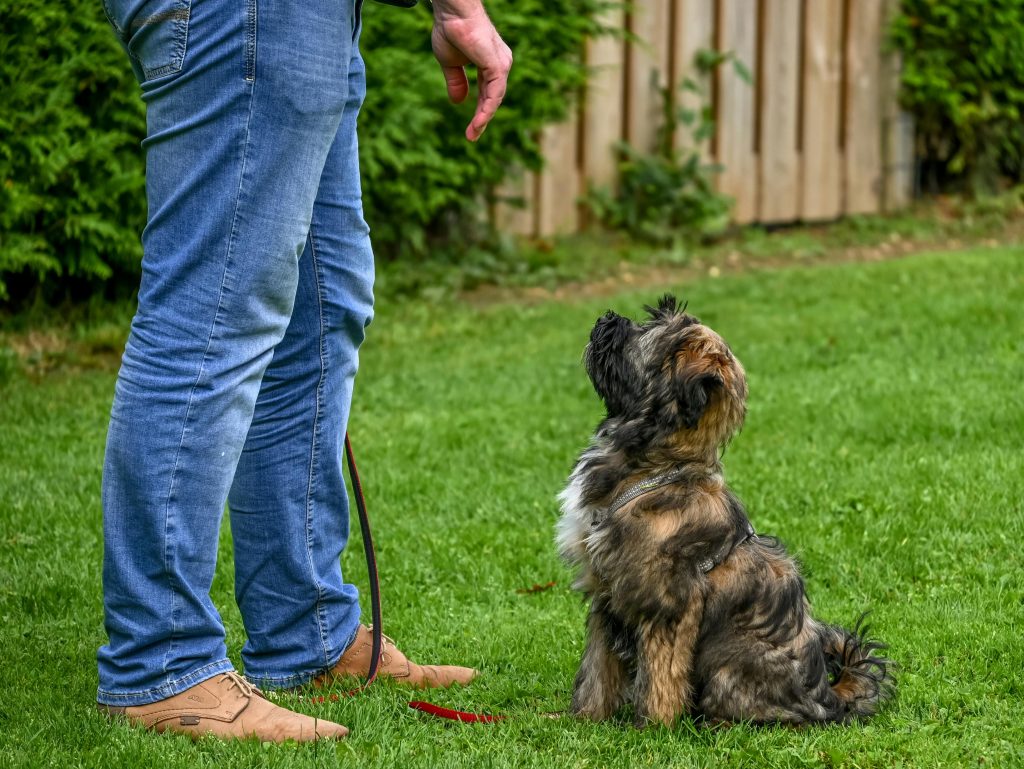
Training is a cornerstone of responsible dog ownership, but not all dogs respond the same way. While some learn commands quickly, others resist training, showing stubbornness, fear, or disinterest. This resistance can frustrate owners, but it often stems from deeper psychological or environmental factors. Understanding why dogs resist training—and learning how to overcome these challenges—can transform the process into a positive experience for both dog and owner. In this article, we’ll explore the causes of resistance, practical solutions, and the long-term benefits of persistence and patience.
Common Reasons Dogs Resist Training
1. Lack of Motivation
Dogs, like humans, need incentives. If the reward isn’t appealing, they may ignore commands. Some dogs prefer play or praise over food treats, and failing to identify the right motivator can stall progress.
2. Fear or Anxiety
Dogs with traumatic pasts or nervous temperaments may resist training because they associate commands with stress. Loud voices, harsh corrections, or unfamiliar environments can heighten anxiety.
3. Inconsistent Training
When commands, rewards, or routines change frequently, dogs become confused. Inconsistency undermines trust and makes learning difficult.
4. Breed Characteristics
Certain breeds are naturally independent or stubborn. For example, hounds may be more focused on scents than commands, while working breeds thrive on structure.
5. Health Issues
Pain, illness, or fatigue can make dogs unwilling to participate. Owners sometimes mistake discomfort for stubbornness.
Psychological Factors Behind Resistance
Dogs resist training not out of defiance, but because of how they perceive the situation.
• Confusion: Unclear signals or mixed body language leave dogs unsure of what’s expected.
• Stress: Negative reinforcement or punishment creates fear rather than learning.
• Lack of Bond: Dogs who don’t trust their owners are less likely to cooperate.
Recognizing these psychological factors helps owners shift from frustration to empathy.
Strategies to Overcome Training Resistance
1. Identify the Right Motivator
Experiment with different rewards—treats, toys, praise, or playtime. Tailoring rewards to your dog’s preferences increases engagement.
2. Use Positive Reinforcement
Reward desired behaviors consistently. Avoid punishment, which damages trust and increases resistance.
3. Keep Sessions Short and Fun
Dogs learn best in 5–10 minute sessions. Long, repetitive drills cause boredom and frustration.
4. Establish Consistency
Use the same commands, gestures, and tone every time. Consistency builds clarity and confidence.
5. Create a Calm Environment
Train in quiet spaces free from distractions. Gradually introduce more challenging environments once your dog masters basics.
6. Address Health Concerns
If resistance persists, consult a veterinarian to rule out pain or medical issues.
Role of Owner’s Body Language and Tone
Dogs are highly sensitive to non-verbal cues. Owners who train with calm, confident body language and encouraging tones are more successful.
• Firm but Gentle Tone: Commands should be clear without sounding harsh.
• Relaxed Posture: Encourages trust and reduces anxiety.
• Positive Energy: Dogs mirror their owner’s emotions; staying calm helps them focus.
Real-Life Examples
1. Rescue Dogs: Many rescues resist training due to trauma. Gentle, consistent reinforcement helps them rebuild trust.
2. Independent Breeds: Huskies or terriers may resist commands. Owners succeed by using creative motivators and patience.
3. Senior Dogs: Older dogs may resist due to slower cognition. Short, simple sessions keep them engaged without stress.
Long-Term Benefits of Overcoming Resistance
• Improved Behavior: Dogs become more obedient and reliable.
• Stronger Bond: Training builds trust and mutual respect.
• Reduced Stress: Positive experiences replace anxiety with confidence.
• Enhanced Social Skills: Trained dogs interact better with people and other pets.
• Longevity: Mentally stimulated dogs enjoy healthier, happier lives.
Conclusion
Dogs resist training for many reasons—lack of motivation, fear, inconsistency, or health issues. By approaching resistance with empathy, patience, and positive reinforcement, owners can transform challenges into opportunities for growth. Training is not just about obedience; it is about building trust, confidence, and a lifelong bond. Overcoming resistance ensures a happier, healthier, and more cooperative companion.




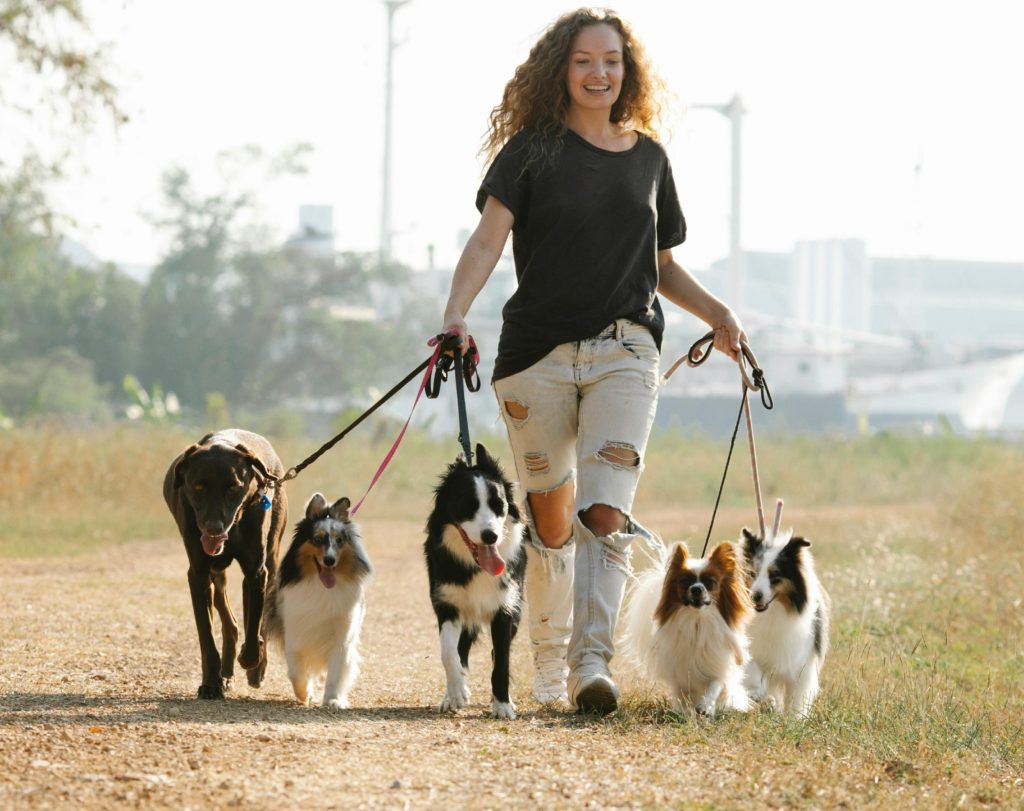
Training a dog is not only about teaching commands—it’s about shaping behavior, building confidence, and fostering social skills. While individual training sessions at home are valuable, group training offers unique benefits that go beyond obedience. In a group setting, dogs learn to focus despite distractions, interact positively with other dogs, and respond to commands in diverse environments. This article explores how group training sessions can improve both obedience and social skills, why they are effective, and how owners can make the most of them.
The Concept of Group Training
Group training involves multiple dogs and owners working together under the guidance of a trainer. Sessions typically include basic obedience exercises, socialization activities, and controlled play. Unlike private training, group classes expose dogs to real-world scenarios where distractions are present, teaching them to remain attentive and disciplined.
• Structured Environment: Trainers set clear rules and routines.
• Controlled Socialization: Dogs interact safely under supervision.
• Shared Learning: Owners benefit from observing others and sharing experiences.
Benefits of Group Training
1. Enhanced Social Skills
Dogs are naturally social animals, but not all know how to interact appropriately. Group training teaches them to:
• Greet other dogs calmly.
• Play without aggression.
• Respect boundaries of both dogs and humans.
2. Improved Obedience in Distracting Environments
At home, dogs may obey commands easily. In public, distractions like other dogs, noises, or smells can interfere. Group training helps dogs practice obedience in challenging settings, making them more reliable companions.
3. Reduced Behavioral Problems
Dogs that lack socialization often develop issues like fear, aggression, or excessive barking. Group training addresses these problems by exposing dogs to controlled social situations.
4. Confidence Building
Shy or anxious dogs gain confidence when they successfully interact in a group. Positive reinforcement in a social setting reassures them that new experiences are safe.
5. Owner Education
Owners learn techniques from trainers and peers, improving their ability to handle their dogs in everyday life.
How Group Training Improves Obedience
Obedience is not just about following commands—it’s about listening despite distractions. Group training strengthens obedience by:
• Reinforcing commands in varied settings.
• Teaching dogs to focus on their owner even when other dogs are present.
• Practicing recall, sit, stay, and heel in real-world scenarios.
Techniques Used in Group Training
1. Positive Reinforcement: Rewards for desired behavior encourage repetition.
2. Controlled Exposure: Dogs are gradually introduced to new stimuli.
3. Role Modeling: Dogs often learn by observing others.
4. Consistency: Trainers emphasize clear commands and routines.
5. Interactive Exercises: Activities like group walks or obedience drills strengthen focus and discipline.
Challenges of Group Training and How to Overcome Them
• Overstimulation: Some dogs may feel overwhelmed. Solution: Start with smaller groups and gradually increase exposure.
• Aggression: Dogs with aggressive tendencies need careful supervision. Solution: Trainers use controlled introductions and positive reinforcement.
• Owner Distraction: Owners may focus on others instead of their dog. Solution: Trainers encourage active engagement and consistency.
Real-Life Examples
1. Puppies: Group classes provide early socialization, preventing future behavioral issues.
2. Rescue Dogs: Many rescues benefit from group training to rebuild trust and learn social cues.
3. High-Energy Breeds: Breeds like Border Collies or Huskies thrive in group settings where they can channel energy productively.
Long-Term Benefits
• Better Social Interactions: Dogs become more comfortable around others.
• Reliable Obedience: Commands are reinforced in diverse environments.
• Stronger Bond: Owners and dogs grow closer through shared experiences.
• Community Building: Owners connect with other dog lovers, creating support networks.
Conclusion
Group training sessions are more than obedience classes—they are opportunities for dogs to develop social skills, confidence, and discipline in real-world settings. By combining structured learning with controlled socialization, group training helps dogs become well-rounded companions. For owners, these sessions provide valuable education and community support. Investing in group training is an investment in a happier, healthier, and more obedient dog.
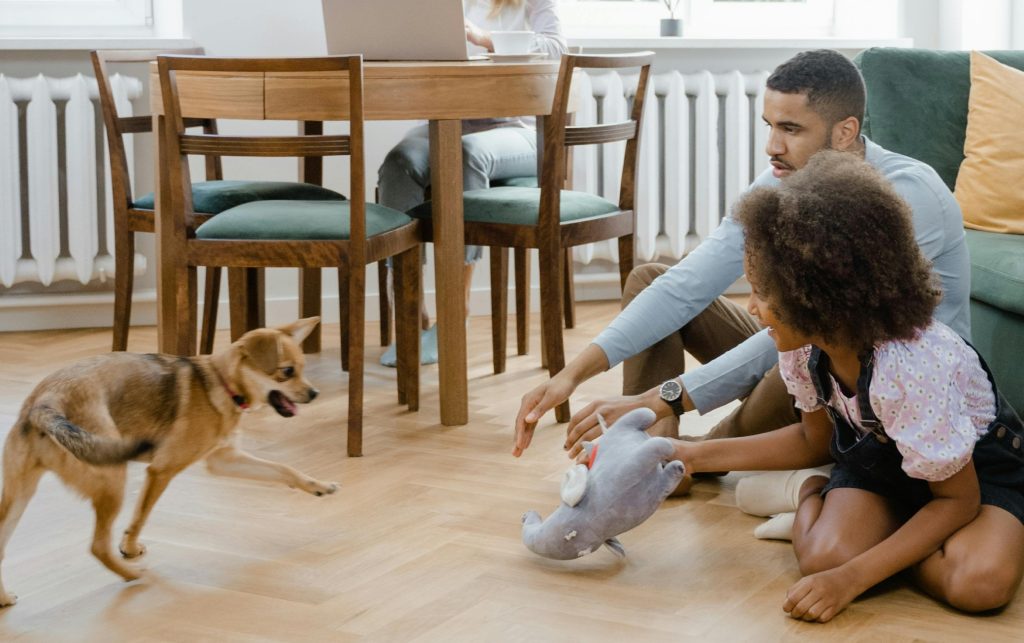
Training a dog is not just about commands and treats—it’s about communication. Dogs are highly sensitive to human body language and vocal tone, often responding more to these cues than to the actual words spoken. Understanding how your posture, gestures, and voice influence your dog’s learning process can dramatically improve training outcomes. In this article, we’ll explore the psychology behind canine communication, practical techniques to use body language and tone effectively, and the long-term benefits of mastering this skill.
The Psychology of Canine Communication
Dogs evolved alongside humans, developing an extraordinary ability to interpret our non-verbal signals. They notice subtle changes in posture, facial expressions, and vocal intonation. For them, these cues are often clearer than spoken language.
• Instinctual Reading: Dogs naturally read body language as part of their survival and social instincts.
• Tone Sensitivity: High-pitched tones often signal playfulness, while low tones convey authority or warning.
• Consistency: Dogs rely on repeated patterns of gestures and tone to understand expectations.
Body Language in Training
1. Posture and Movement
Your stance communicates confidence or hesitation. Standing tall with relaxed shoulders conveys calm authority, while sudden movements may confuse or startle your dog.
• Open Posture: Encourages approach and trust.
• Closed Posture: Crossing arms or leaning away may signal disapproval.
• Gestures: Hand signals paired with verbal commands strengthen clarity.
2. Eye Contact
Dogs interpret eye contact differently depending on context. Gentle, soft eye contact builds trust, while prolonged staring may feel threatening.
3. Facial Expressions
Smiling or relaxed facial expressions reassure dogs, while frowning or tense expressions can make them anxious.
Tone of Voice in Training
1. Positive Reinforcement
A cheerful, upbeat tone motivates dogs and reinforces good behavior. Saying “Good boy!” in a happy voice is more effective than a monotone.
2. Commands
Firm but calm tones convey authority. Shouting often overwhelms dogs, while whispering may confuse them.
3. Corrections
Low, steady tones signal disapproval without instilling fear. The goal is to redirect behavior, not intimidate.
Combining Body Language and Tone
The most effective training occurs when body language and tone align. For example:
• Saying “Sit” in a firm tone while using a hand gesture pointing downward.
• Praising with a cheerful voice while leaning forward and smiling.
• Correcting gently with a calm tone while standing tall to convey authority.
Practical Techniques
• Hand Signals: Pair commands with consistent gestures (e.g., palm up for “stay”).
• Tone Variation: Use distinct tones for praise, commands, and corrections.
• Calm Presence: Dogs mirror your energy; staying calm helps them focus.
• Repetition: Consistency in gestures and tone builds strong associations.
Common Mistakes to Avoid
• Mixed Signals: Smiling while scolding confuses dogs.
• Inconsistent Tone: Using different tones for the same command weakens learning.
• Overuse of Commands: Repeating commands without reinforcement reduces effectiveness.
• Negative Energy: Training while stressed can transfer anxiety to your dog.
Real-Life Applications
1. Obedience Training: Clear body language and tone make commands easier to learn.
2. Behavior Correction: Redirecting unwanted behaviors becomes smoother with consistent cues.
3. Socialization: Dogs learn to interpret human signals in group settings, improving interactions.
4. Advanced Training: Agility or service dog tasks rely heavily on precise non-verbal communication.
Long-Term Benefits
• Stronger Bond: Dogs feel understood and secure.
• Improved Confidence: Clear communication reduces frustration and builds trust.
• Better Behavior: Dogs trained with consistent cues are calmer and more obedient.
• Enhanced Learning: Combining verbal and non-verbal signals accelerates training progress.
Conclusion
Body language and tone are powerful tools in dog training. By mastering these elements, owners can communicate more clearly, reduce stress, and build stronger bonds with their pets. Training becomes not just about obedience, but about mutual understanding and trust. Investing in this skill ensures a happier, more confident, and well-behaved companion.
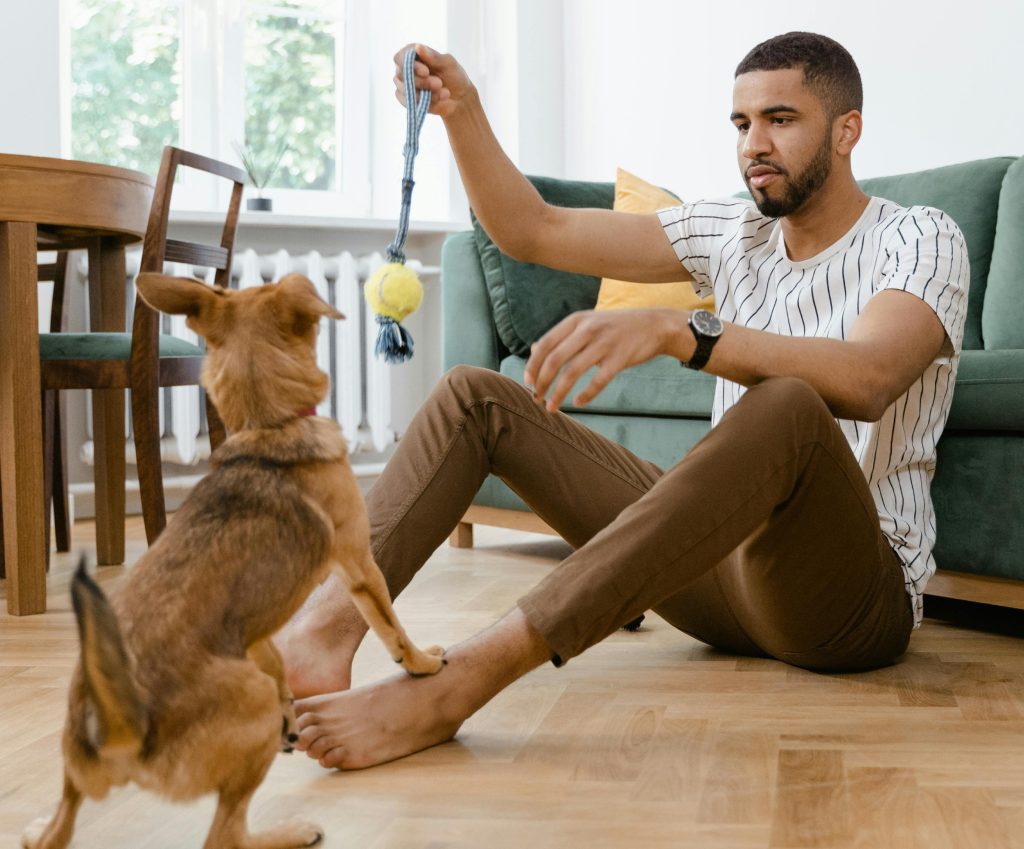
Training is often seen as a way to teach dogs obedience and discipline, but its impact goes far beyond commands like “sit” or “stay.” Consistent training plays a crucial role in shaping a dog’s psychological well-being. It builds confidence, reduces anxiety, strengthens the bond with the owner, and provides mental stimulation that keeps dogs happy and balanced. In this article, we’ll explore the psychological benefits of regular training, why consistency matters, and how it contributes to a dog’s overall health.
The Link Between Training and Canine Psychology
Dogs are social animals that thrive on structure and guidance. Training provides them with clear expectations and predictable routines, which are essential for mental stability. Without consistent training, dogs may feel confused, insecure, or even stressed.
• Clarity: Training eliminates uncertainty by teaching dogs what behaviors are expected.
• Security: Consistency reassures dogs that their environment is safe and predictable.
• Confidence: Success in training builds self-assurance and reduces fear.
Psychological Benefits of Consistent Training
1. Reduced Anxiety
Dogs often experience anxiety when they don’t understand their environment or expectations. Consistent training provides structure, helping them feel secure and less stressed.
1. Improved Confidence
Every successful command reinforces a dog’s belief in its ability to learn. This confidence translates into better social interactions and reduced fear in new situations.
1. Stronger Bond with Owners
Training sessions are moments of communication and cooperation. Dogs learn to trust their owners, while owners gain insight into their dog’s personality and needs.
1. Mental Stimulation
Training challenges the brain, keeping dogs mentally sharp. This is especially important for intelligent breeds that require more stimulation to avoid boredom.
1. Better Emotional Regulation
Dogs trained consistently are less likely to develop destructive behaviors like chewing, digging, or excessive barking. Training teaches them patience and self-control.
Why Consistency Matters
Consistency is the backbone of effective training. Sporadic or inconsistent training confuses dogs, leading to frustration and behavioral issues.
• Predictability: Dogs thrive on routine; consistent cues and rewards create stability.
• Reinforcement: Regular practice ensures behaviors become ingrained.
• Trust: Consistency builds reliability, strengthening the dog-owner relationship.
Real-Life Examples of Psychological Benefits
1. Rescue Dogs: Many rescue dogs suffer from trauma or neglect. Consistent training helps them rebuild trust and confidence.
2. Puppies: Early training provides structure during critical developmental stages, reducing future behavioral problems.
3. Senior Dogs: Continued training keeps older dogs mentally active, slowing cognitive decline.
Techniques to Maximize Psychological Benefits
• Positive Reinforcement: Reward desired behaviors with treats, praise, or play.
• Short Sessions: Keep training sessions brief but frequent to avoid fatigue.
• Clear Commands: Use consistent words and gestures to reduce confusion.
• Patience and Encouragement: Celebrate progress, even small steps, to build confidence.
• Gradual Challenges: Increase difficulty slowly to keep dogs engaged without overwhelming them.
Long-Term Impact of Consistent Training
• Balanced Behavior: Dogs become calmer and more predictable.
• Enhanced Social Skills: Trained dogs interact better with people and other animals.
• Reduced Stress: A structured environment minimizes anxiety triggers.
• Longevity: Mentally stimulated dogs often enjoy healthier, longer lives.
Conclusion
Consistent training is not just about obedience—it is a powerful tool for nurturing a dog’s psychological health. By reducing anxiety, building confidence, and strengthening the bond with owners, training creates a happier, more balanced companion. Investing time in regular training sessions is an investment in your dog’s emotional well-being and overall quality of life.
-
Training And Behavior6 months ago
Can Group Training Sessions Improve Your Dog’s Social Skills and Obedience?
-
Lifesstyle And Aactivity6 months ago
What Are the Best Indoor Activities for Keeping Your Dog Entertained on Rainy Days?
-

 Breeds And Types6 months ago
Top 10 Popular Dog Breeds Worldwide
-

 Health And Care6 months ago
Which Exercises Are Best for Keeping Your Dog Active and Fit?
-
Training And Behavior6 months ago
How Can Clicker Training Strengthen Communication Between You and Your Dog?
-

 Health And Care6 months ago
What Daily Habits Help Prevent the Most Common Dog Health Issues?
-
Lifesstyle And Aactivity5 months ago
Why Should You Include Playdates in Your Dog’s Weekly Routine?
-
Breeds And Types5 months ago
How Do Mixed-Breed Dogs Combine the Best Traits of Their Parents?