
Health And Care
What Daily Habits Help Prevent the Most Common Dog Health Issues?

Introduction
Preventing health problems in dogs is often easier than treating them. Daily habits play a crucial role in keeping your pet healthy, active, and happy. By focusing on consistent routines, you can reduce the risk of common issues such as obesity, dental disease, skin infections, and anxiety. In this article, we’ll explore the most effective daily practices that every dog owner should adopt.
Balanced Nutrition
Feeding your dog a balanced diet is the foundation of good health.
– Provide high-quality food rich in protein, healthy fats, and digestible carbohydrates.
– Avoid overfeeding and stick to portion guidelines.
– Ensure access to fresh water at all times.
Proper nutrition prevents obesity, supports immunity, and keeps energy levels stable.
Regular Exercise
Daily physical activity is essential.
– Walk your dog at least once or twice a day.
– Include play sessions like fetch or tug-of-war.
– Adjust intensity based on breed, age, and health.
Exercise helps maintain a healthy weight, strengthens muscles, and reduces behavioral problems.
Dental Care
Dental disease is one of the most common dog health issues.
– Brush your dog’s teeth regularly with dog-safe toothpaste.
– Offer dental chews or toys to reduce plaque.
– Schedule professional cleanings when needed.
Healthy teeth prevent infections and improve overall well-being.
Grooming and Skin Care
Daily grooming habits prevent skin problems.
– Brush your dog’s coat to remove dirt and loose hair.
– Check for fleas, ticks, or unusual bumps.
– Clean ears gently to avoid infections.
Consistent grooming keeps the coat shiny and skin healthy.
Mental Stimulation
Mental health is just as important as physical health.
– Provide puzzle toys or training exercises.
– Rotate toys to keep playtime exciting.
– Offer social interaction with other dogs or people.
Mental stimulation reduces stress, anxiety, and destructive behavior.
Routine Health Checks
Daily observation helps detect problems early.
– Monitor appetite, energy levels, and bathroom habits.
– Check eyes, nose, and paws for signs of irritation.
– Note any changes in behavior or mood.
Early detection makes treatment easier and more effective.
Conclusion
Daily habits are the key to preventing the most common dog health issues. By focusing on balanced nutrition, regular exercise, dental care, grooming, mental stimulation, and routine checks, you’ll ensure your dog enjoys a long, healthy, and joyful life. Prevention is always better than cure, and consistency is the secret to success.



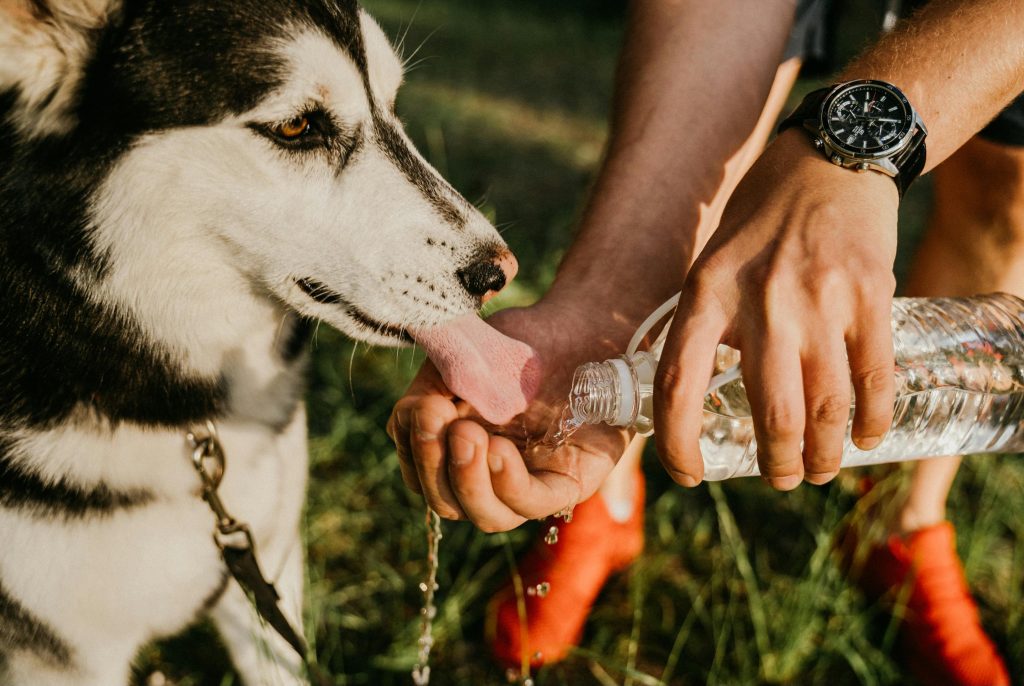
Water is the essence of life, and for dogs, proper hydration is as critical as nutrition. While owners often focus on food quality, hydration is sometimes overlooked. Yet, water plays a central role in every bodily function—from digestion and circulation to temperature regulation and joint health. In this article, we’ll explore why hydration is vital, how to recognize dehydration, and practical strategies to ensure your dog stays healthy and energetic.
The Importance of Hydration in Dogs
Hydration supports nearly every aspect of canine health:
• Cellular Function: Water transports nutrients and oxygen to cells.
• Temperature Regulation: Dogs cool themselves primarily through panting, which requires adequate hydration.
• Joint Lubrication: Proper hydration keeps joints flexible and reduces stiffness.
• Digestive Health: Water aids in breaking down food and absorbing nutrients.
• Detoxification: Hydration helps flush toxins through the kidneys and urinary system.
Without sufficient water, these processes slow down, leading to fatigue, illness, and long-term health problems.
Signs of Dehydration in Dogs
Recognizing dehydration early is crucial:
• Dry Nose and Gums: Healthy dogs have moist noses and pink, moist gums.
• Loss of Skin Elasticity: Gently pinch the skin; if it doesn’t quickly return to normal, dehydration may be present.
• Sunken Eyes: A clear indicator of fluid loss.
• Lethargy: Dehydrated dogs often appear tired and less playful.
• Reduced Appetite: Lack of water can affect digestion and appetite.
Factors That Increase Hydration Needs
1. Activity Level: Active dogs burn more energy and lose fluids through panting.
2. Climate: Hot weather accelerates fluid loss.
3. Diet: Dry kibble requires more water intake compared to wet food.
4. Age: Puppies and senior dogs are more vulnerable to dehydration.
5. Health Conditions: Illnesses like kidney disease or diarrhea increase water requirements.
Practical Strategies to Keep Dogs Hydrated
1. Fresh Water Availability
Always provide clean, fresh water. Change it at least twice daily to encourage drinking.
2. Hydration Through Diet
• Wet food contains higher moisture content.
• Adding broth or water to kibble can increase fluid intake.
3. Portable Water During Walks
Carry a collapsible bowl or water bottle when outdoors, especially in hot weather.
4. Flavor Enhancements
Some dogs resist drinking plain water. Adding a small amount of low-sodium broth can encourage hydration.
5. Ice Cubes and Frozen Treats
Dogs often enjoy chewing ice cubes or frozen fruit, which provide hydration and entertainment.
Hydration and Exercise
Exercise increases fluid loss, making hydration before and after activity essential.
• Pre-Exercise: Offer water before walks or play sessions.
• Post-Exercise: Allow rest and gradual rehydration to prevent stomach upset.
• Avoid Overhydration: Too much water at once can cause bloating, especially in large breeds.
Hydration for Senior Dogs
Older dogs are more prone to dehydration due to reduced kidney efficiency and lower thirst drive.
• Place multiple water bowls around the house.
• Monitor intake closely.
• Consider wet food diets to increase moisture.
Owner’s Role in Promoting Hydration
Owners must actively encourage hydration:
• Observe daily water intake.
• Provide accessible bowls in different rooms.
• Reward drinking behavior with praise.
• Consult a veterinarian if intake suddenly decreases.
Long-Term Benefits of Proper Hydration
• Vitality: Hydrated dogs are more energetic and playful.
• Disease Prevention: Adequate hydration reduces risks of urinary tract infections and kidney disease.
• Healthy Digestion: Smooth bowel movements and nutrient absorption.
• Longevity: Proper hydration contributes to a longer, healthier life.
Conclusion
Hydration is not a minor detail—it is a cornerstone of canine health. By ensuring your dog has constant access to fresh water, adjusting intake based on activity and climate, and recognizing early signs of dehydration, you can safeguard their vitality and well-being. Proper hydration is a simple yet powerful way to invest in your dog’s health and happiness.
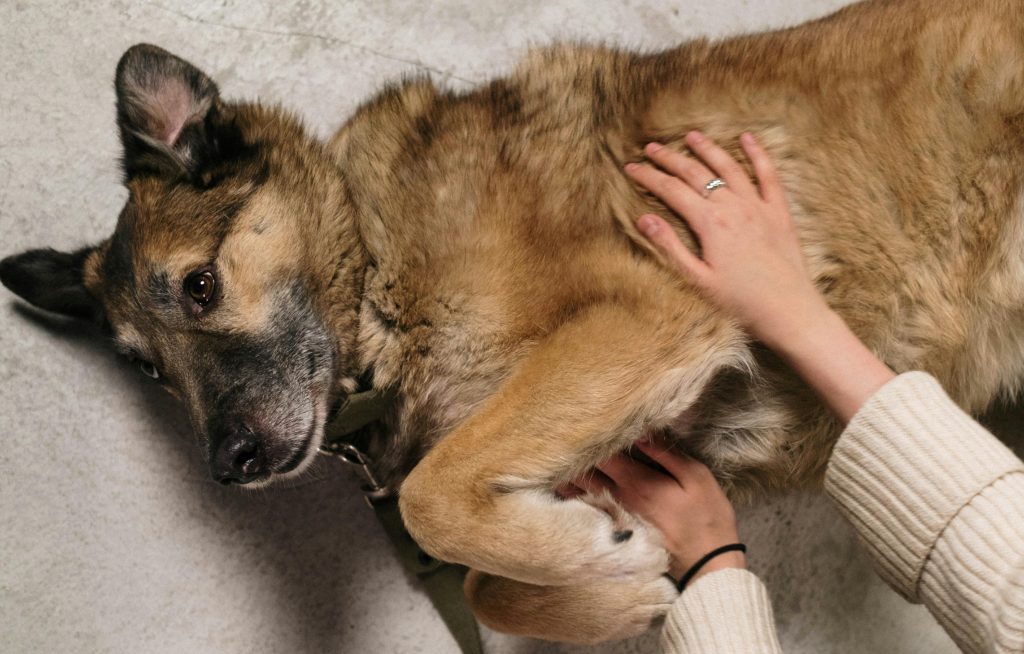
Massage is often associated with human relaxation and therapy, but dogs can benefit just as much—if not more—from regular massage sessions. Beyond simple comfort, massage plays a vital role in canine health, supporting circulation, reducing stress, and even aiding recovery from injuries. In this article, we’ll explore why massage should be part of your dog’s health routine, the techniques owners can use, and the long-term benefits of this practice.
The Science Behind Canine Massage
Massage stimulates blood flow, improves oxygen delivery to tissues, and helps remove toxins from the body. For dogs, this means:
• Faster recovery after exercise or injury
• Reduced muscle stiffness and joint pain
• Enhanced flexibility and mobility
• Improved immune system function
Veterinarians and canine therapists often recommend massage as a complementary therapy for dogs with arthritis, hip dysplasia, or anxiety disorders.
Stress Relief and Emotional Balance
Dogs experience stress from loud noises, separation, or changes in routine. Massage helps release endorphins—the body’s natural “feel-good” hormones—creating a calming effect.
• Anxious Dogs: Massage reduces nervous energy and promotes relaxation.
• Rescue Dogs: Helps build trust and emotional stability.
• Senior Dogs: Provides comfort and reduces age-related anxiety.
Physical Health Benefits
1. Improved Circulation
Massage enhances blood flow, ensuring nutrients and oxygen reach muscles and organs efficiently. This supports healing and overall vitality.
2. Pain Management
Dogs suffering from arthritis or joint stiffness benefit from gentle massage, which reduces inflammation and alleviates discomfort.
3. Enhanced Flexibility
Regular massage keeps muscles supple, reducing the risk of injury during play or exercise.
4. Digestive Support
Gentle abdominal massage can aid digestion and relieve constipation.
Techniques for Dog Massage
1. Effleurage (Gentle Stroking)
◦ Long, smooth strokes along the back and sides.
◦ Promotes relaxation and warms up muscles.
2. Petrissage (Kneading)
◦ Gentle kneading of muscles to release tension.
◦ Useful for dogs with stiffness or soreness.
3. Circular Motions
◦ Small circles around joints and shoulders.
◦ Improves flexibility and reduces joint pain.
4. Passive Stretching
◦ Carefully extending legs or neck.
◦ Enhances mobility but should be done cautiously.
When to Massage Your Dog
• After Exercise: Helps muscles recover and prevents stiffness.
• During Stressful Events: Fireworks, vet visits, or travel.
• For Senior Dogs: Regular sessions improve comfort and mobility.
• Bonding Time: Massage strengthens the emotional connection between dog and owner.
Precautions and Safety
• Avoid massaging areas with open wounds or infections.
• Consult a veterinarian if your dog has chronic conditions.
• Start with short sessions (5–10 minutes) and gradually increase.
• Observe your dog’s reactions—stop if they show discomfort.
Long-Term Benefits of Regular Massage
• Better Mobility: Dogs remain active and agile longer.
• Reduced Anxiety: Calmer behavior and improved sleep.
• Enhanced Bond: Massage deepens trust and affection.
• Longevity: Healthier circulation and reduced stress contribute to a longer life.
Conclusion
Regular massage is more than a luxury—it is a powerful tool for maintaining your dog’s health and happiness. From reducing stress to improving circulation and mobility, massage offers holistic benefits that enhance both physical and emotional well-being. Incorporating massage into your dog’s routine is an act of love that pays off in vitality, comfort, and a stronger bond.

Dogs are intelligent, curious creatures who thrive not only on physical exercise but also on mental challenges. While daily walks and play sessions are essential, mental stimulation is equally important for maintaining a dog’s overall health. A lack of mental enrichment can lead to boredom, stress, and destructive behaviors. In this article, we’ll explore the role of mental stimulation in canine health, practical ways to provide it, and the long-term benefits it brings.
Why Mental Stimulation Matters
Mental stimulation is the process of engaging a dog’s brain through problem-solving, learning, and exploration. Just as humans need intellectual challenges to stay sharp, dogs require mental activities to remain balanced and happy.
• Prevents Boredom: Idle dogs often resort to chewing furniture or excessive barking.
• Reduces Stress: Engaging the brain helps calm anxiety and nervous energy.
• Improves Behavior: Stimulated dogs are less likely to develop destructive habits.
• Supports Cognitive Health: Regular mental exercise keeps the brain sharp, especially in aging dogs.
Signs Your Dog Needs More Mental Stimulation
• Restlessness despite physical exercise
• Excessive chewing or digging
• Barking without clear reason
• Difficulty settling down indoors
• Seeking constant attention
Recognizing these signs early allows owners to adjust routines and introduce more enrichment activities.
Methods of Mental Stimulation
1. Interactive Toys and Puzzles
Puzzle feeders, treat-dispensing balls, and interactive toys challenge dogs to think and problem-solve. These tools combine play with reward, keeping dogs engaged for long periods.
2. Training Sessions
Teaching new commands or tricks stimulates the brain and strengthens the bond between dog and owner. Short, positive training sessions are more effective than long, repetitive drills.
3. Scent Games
Dogs have extraordinary noses. Hide treats around the house or yard and encourage your dog to find them. This taps into their natural instincts and provides mental satisfaction.
4. Social Interaction
Meeting new dogs or people introduces variety and challenges dogs to adapt to different social cues. Controlled socialization builds confidence and reduces anxiety.
5. Rotating Toys and Activities
Dogs can lose interest in the same toys. Rotating them or introducing new games keeps their environment fresh and stimulating.
The Connection Between Mental and Physical Health
Mental stimulation directly impacts physical health. A mentally engaged dog is less stressed, which reduces the risk of stress-related illnesses such as digestive problems or weakened immunity. Additionally, combining mental and physical activities—like agility training—provides holistic enrichment.
Mental Stimulation for Senior Dogs
Older dogs benefit greatly from mental challenges. Cognitive decline is common in aging pets, but regular stimulation slows this process. Activities like gentle training, scent games, and puzzle feeders keep their minds active and delay age-related issues.
Owner’s Role in Providing Enrichment
Owners play a crucial role in ensuring dogs receive adequate mental stimulation.
• Consistency: Incorporate mental activities into daily routines.
• Patience: Allow dogs time to learn and explore without pressure.
• Positive Reinforcement: Reward effort, not just success, to encourage engagement.
Long-Term Benefits of Mental Stimulation
• Improved Behavior: Reduced destructive tendencies and better obedience.
• Enhanced Bond: Shared activities strengthen trust and affection.
• Longevity: Stimulated dogs often live longer, healthier lives.
• Happiness: A mentally engaged dog is more content and less anxious.
Conclusion
Mental stimulation is as vital as physical exercise in maintaining a dog’s overall health. By incorporating training, puzzles, scent games, and social interaction, owners can ensure their dogs remain sharp, happy, and well-adjusted. Investing in mental enrichment is not just about preventing boredom—it is about nurturing a healthier, more fulfilled companion
-
Training And Behavior4 months ago
Can Group Training Sessions Improve Your Dog’s Social Skills and Obedience?
-
Lifesstyle And Aactivity4 months ago
What Are the Best Indoor Activities for Keeping Your Dog Entertained on Rainy Days?
-
 Health And Care5 months ago
Which Exercises Are Best for Keeping Your Dog Active and Fit?
-

 Breeds And Types5 months ago
Top 10 Popular Dog Breeds Worldwide
-
Training And Behavior4 months ago
How Can Clicker Training Strengthen Communication Between You and Your Dog?
-
Lifesstyle And Aactivity4 months ago
Why Should You Include Playdates in Your Dog’s Weekly Routine?
-
Training And Behavior4 months ago
Why Do Some Dogs Resist Training and How Can You Overcome It?
-
 Health And Care5 months ago
Why Are Regular Vet Visits a Game-Changer for Your Dog’s Health?