
Breeds And Types
Top 10 Popular Dog Breeds Worldwide



When we talk about the most popular dog breeds around the world, we are highlighting those special breeds that have won the hearts of millions. These breeds are not just pets—they are loyal companions, protectors, and beloved family members. In this article, we’ll explore the top ten dog breeds worldwide, focusing on their unique characteristics, reasons for their popularity, and how to take care of them.
1. Labrador Retriever
The Labrador Retriever is one of the world’s most popular breeds due to its friendly nature, intelligence, and love for outdoor activities. They are ideal family dogs and are often used in search and rescue operations.
2. German Shepherd
Known for their intelligence and strength, German Shepherds are widely used in police and military roles. They are highly trainable and make excellent guardians and companions.
3. Golden Retriever
Golden Retrievers are known for their gentle and playful disposition, making them perfect family pets. They love to play, swim, and are great with children.
4. Bulldog
Bulldogs have a distinctive appearance and a calm personality. Despite their tough look, they are loving and gentle, making them excellent indoor companions.
5. Beagle
Beagles are small, energetic, and curious dogs known for their strong sense of smell, often used in hunting.
6. Poodle
Poodles are highly intelligent and elegant dogs. They are easy to train and come in different sizes, making them suitable for various households.
7. Rottweiler
Rottweilers are strong and loyal dogs, often used for guarding. With proper training, they can be both protective and affectionate family pets.
8. Dachshund
Known as the “sausage dog,” Dachshunds have long bodies and short legs. They are brave, playful, and full of personality despite their small size.
9. Siberian Husky
Huskies are famous for their striking blue eyes and wolf-like appearance. They love running and outdoor activities, requiring plenty of exercise.
10. Boxer
Boxers are energetic, loyal, and fun-loving dogs. They thrive in active households and are known for their protective nature.
Conclusion
These ten breeds are more than just names; they bring stories of loyalty, love, and joy. Choosing the right breed depends on your lifestyle, but all of them share a common trait of being faithful companions.



For many dog lovers, allergies can be a frustrating barrier to owning a pet. Sneezing, watery eyes, and skin irritation often make living with dogs difficult. Fortunately, hypoallergenic dog breeds offer a solution. These breeds produce fewer allergens, making them ideal companions for people sensitive to pet dander. In this article, we’ll explore what makes hypoallergenic breeds unique, their benefits, and how they can transform the lives of allergy sufferers.
Understanding Allergies and Dogs
Dog allergies are typically triggered by proteins found in saliva, urine, and dander (tiny flakes of skin). When dogs shed fur or lick themselves, these proteins spread into the environment. Hypoallergenic breeds don’t eliminate allergens completely, but they produce fewer or release them differently, reducing allergic reactions.
Traits of Hypoallergenic Dog Breeds
1. Low-Shedding Coats
Many hypoallergenic breeds shed very little, which means less dander is released into the air.
2. Hair Instead of Fur
Breeds like Poodles have hair that grows continuously, similar to humans, reducing allergen spread.
3. Minimal Saliva Production
Some breeds drool less, limiting saliva-based allergens.
4. Smaller Size
Smaller dogs often produce fewer allergens simply because they have less surface area.
Popular Hypoallergenic Dog Breeds
• Poodle: Intelligent, versatile, and available in toy, miniature, and standard sizes.
• Bichon Frise: Cheerful dogs with curly coats that trap dander.
• Maltese: Gentle companions with silky hair.
• Portuguese Water Dog: Energetic and loyal, with a curly coat.
• Shih Tzu: Small, affectionate dogs with long, flowing hair.
Each of these breeds combines hypoallergenic traits with unique personalities, making them excellent choices for families.
Benefits for Allergy Sufferers
1. Improved Quality of Life
Owning a hypoallergenic dog allows allergy sufferers to enjoy companionship without constant discomfort.
2. Emotional Well-Being
Dogs provide emotional support, reducing stress and loneliness. Hypoallergenic breeds make this possible for more people.
3. Family-Friendly
Families with allergy-prone members can still experience the joy of pet ownership.
4. Greater Accessibility
Hypoallergenic breeds open doors for people who previously thought owning a dog was impossible.
Tips for Living with Hypoallergenic Dogs
• Regular Grooming: Frequent brushing and bathing reduce dander.
• Clean Environment: Vacuuming and air purifiers help minimize allergens.
• Designated Spaces: Keep dogs out of bedrooms to reduce exposure.
• Healthy Diet: A balanced diet improves coat health, reducing shedding.
Challenges and Considerations
• Not Completely Allergen-Free: Even hypoallergenic breeds can trigger mild reactions.
• Maintenance: Many require regular grooming to keep coats healthy.
• Availability: Some breeds are rare and may be expensive.
Long-Term Benefits
• Healthier Living: Reduced allergy symptoms improve overall wellness.
• Stronger Bonds: Owners can fully enjoy time with their pets.
• Inclusivity: More families can welcome dogs into their homes.
• Longevity of Companionship: Healthy, well-groomed hypoallergenic dogs often live long, happy lives.
Conclusion
Hypoallergenic dog breeds are a blessing for allergy sufferers. With low-shedding coats, minimal dander, and manageable grooming needs, they make pet ownership possible for millions of people worldwide. While no breed is completely allergen-free, these dogs significantly reduce symptoms, allowing owners to enjoy the love, loyalty, and joy that dogs bring. Choosing a hypoallergenic breed is not just about avoiding allergies—it’s about embracing a healthier, happier lifestyle with a loyal companion.
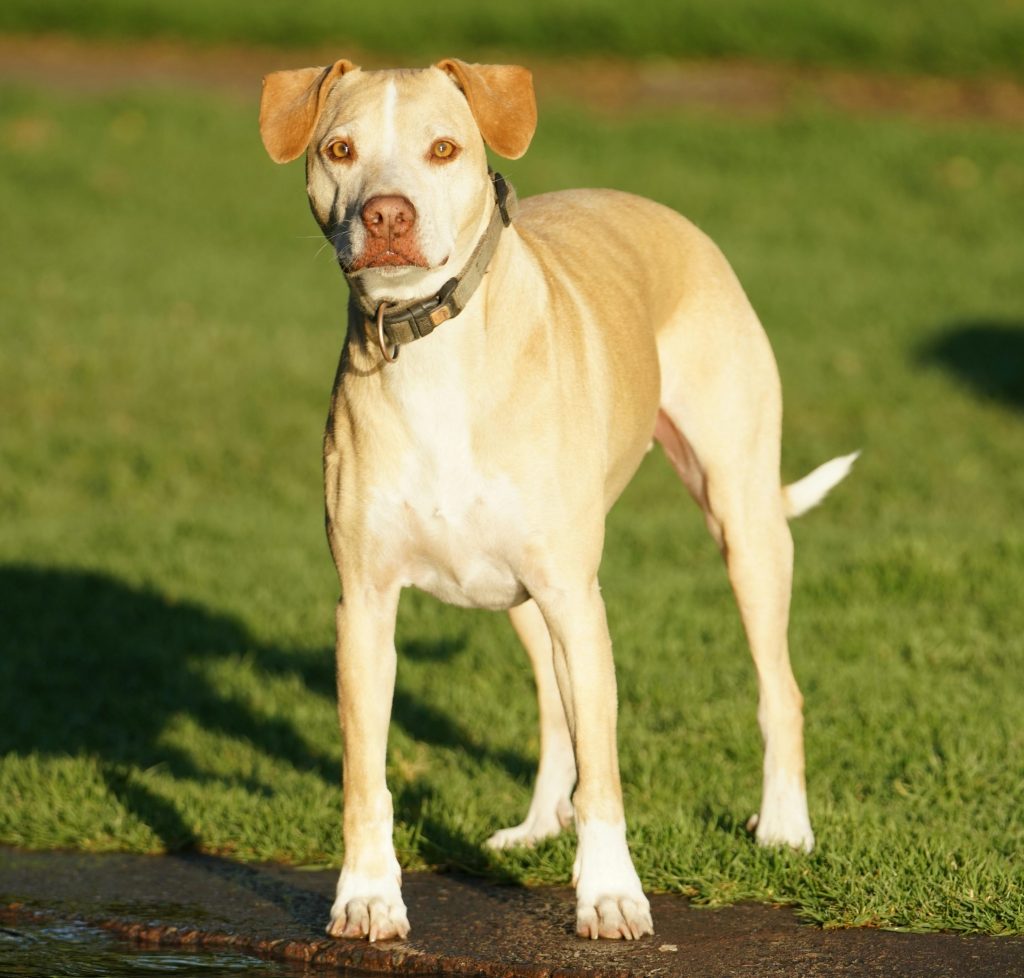
Mixed-breed dogs, often affectionately called “mutts,” are unique companions that embody the diversity of the canine world. Unlike purebred dogs, whose traits are carefully standardized, mixed-breed dogs inherit a blend of characteristics from their parents. This genetic variety often results in healthier, more adaptable pets with fascinating personalities. In this article, we’ll explore how mixed-breed dogs combine the best traits of their parents, the advantages they offer, and why they deserve just as much recognition as purebred dogs.
Genetic Diversity and Health Benefits
One of the most significant advantages of mixed-breed dogs is their genetic diversity.
• Reduced Risk of Genetic Disorders: Purebred dogs are more prone to hereditary conditions due to limited gene pools. Mixed breeds often avoid these issues thanks to broader genetic variation.
• Stronger Immune Systems: Diverse genetics can lead to more resilient immune responses.
• Longevity: Many mixed-breed dogs live longer, healthier lives compared to some purebreds.
This phenomenon is known as “hybrid vigor,” where genetic diversity enhances overall health and vitality.
Physical Traits of Mixed-Breed Dogs
Mixed-breed dogs often inherit a fascinating combination of physical features:
• Size and Build: A mix between a large and small breed may result in medium-sized dogs with balanced proportions.
• Coat Types: Blends of long, short, curly, or straight fur create unique appearances.
• Color Patterns: Mixed breeds often display striking coat colors and markings not commonly seen in purebreds.
• Adaptability: Their varied traits often make them suitable for different climates and lifestyles.
Personality and Behavioral Traits
Beyond physical features, mixed-breed dogs inherit diverse temperaments:
• Balanced Energy Levels: A mix of high-energy and calm breeds can produce dogs with moderate, manageable activity needs.
• Adaptability: Mixed breeds often adjust more easily to new environments and routines.
• Unique Personalities: Each dog develops a one-of-a-kind character, combining loyalty, playfulness, and intelligence in unexpected ways.
• Trainability: Many mixed breeds are eager learners, especially when positive reinforcement is used.
Advantages of Owning a Mixed-Breed Dog
1. Affordability
Mixed-breed dogs are often less expensive to adopt than purebreds, making them accessible to more families.
2. Availability
Animal shelters are full of mixed-breed dogs waiting for homes, offering a chance to save a life.
3. Unique Companions
No two mixed-breed dogs are alike. Owners enjoy the joy of having a truly one-of-a-kind pet.
4. Emotional Rewards
Adopting a mixed breed often comes with the satisfaction of giving a loving home to a dog in need.
Challenges and Considerations
While mixed-breed dogs offer many benefits, owners should be mindful of:
• Unpredictability: Traits can vary widely, making it harder to predict size, temperament, or health.
• Training Needs: Some mixed breeds may inherit stubbornness or high energy, requiring consistent training.
• Health Monitoring: While generally healthier, mixed breeds can still develop conditions from either parent breed.
Real-Life Examples
• Labradoodle (Labrador + Poodle): Known for intelligence, friendliness, and hypoallergenic coats.
• Puggle (Pug + Beagle): Combines playfulness with affectionate companionship.
• Shepherd Mixes: Often inherit loyalty and protective instincts, making them excellent family dogs.
These examples show how mixed breeds can combine desirable traits into unique companions.
Long-Term Benefits of Mixed-Breed Companionship
• Healthier Pets: Reduced risk of hereditary diseases.
• Adaptable Companions: Suitable for diverse lifestyles and environments.
• Stronger Bonds: Owners often feel a deeper connection knowing their dog is truly unique.
• Positive Impact on Shelters: Adopting mixed breeds helps reduce overcrowding and supports animal welfare.
Conclusion
Mixed-breed dogs are living proof that diversity creates strength. By combining the best traits of their parents, they offer healthier bodies, adaptable personalities, and unique appearances. Beyond their physical and behavioral qualities, mixed breeds embody resilience and individuality. Choosing a mixed-breed dog means embracing unpredictability, but it also means welcoming a loyal, loving companion who is truly one of a kind.
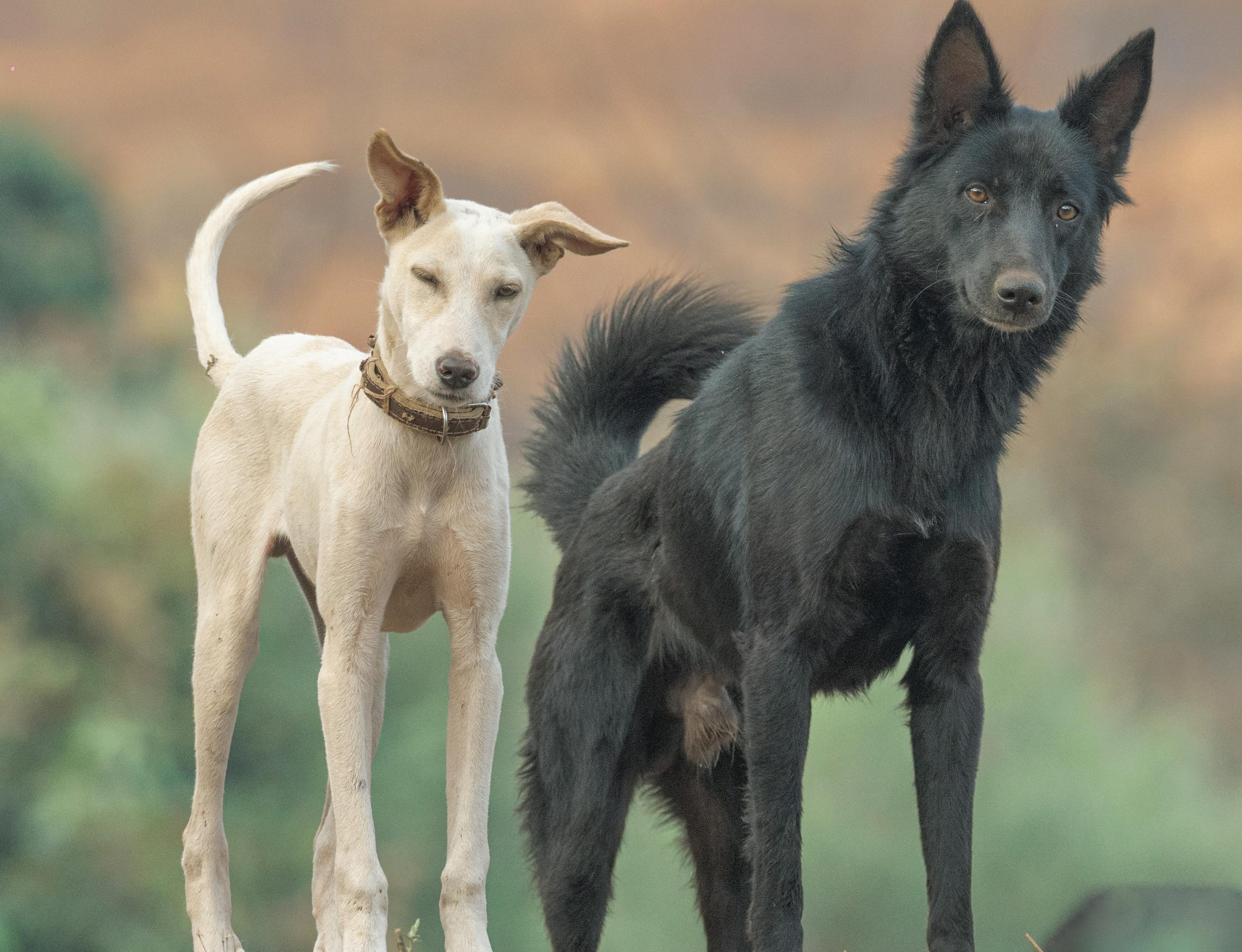
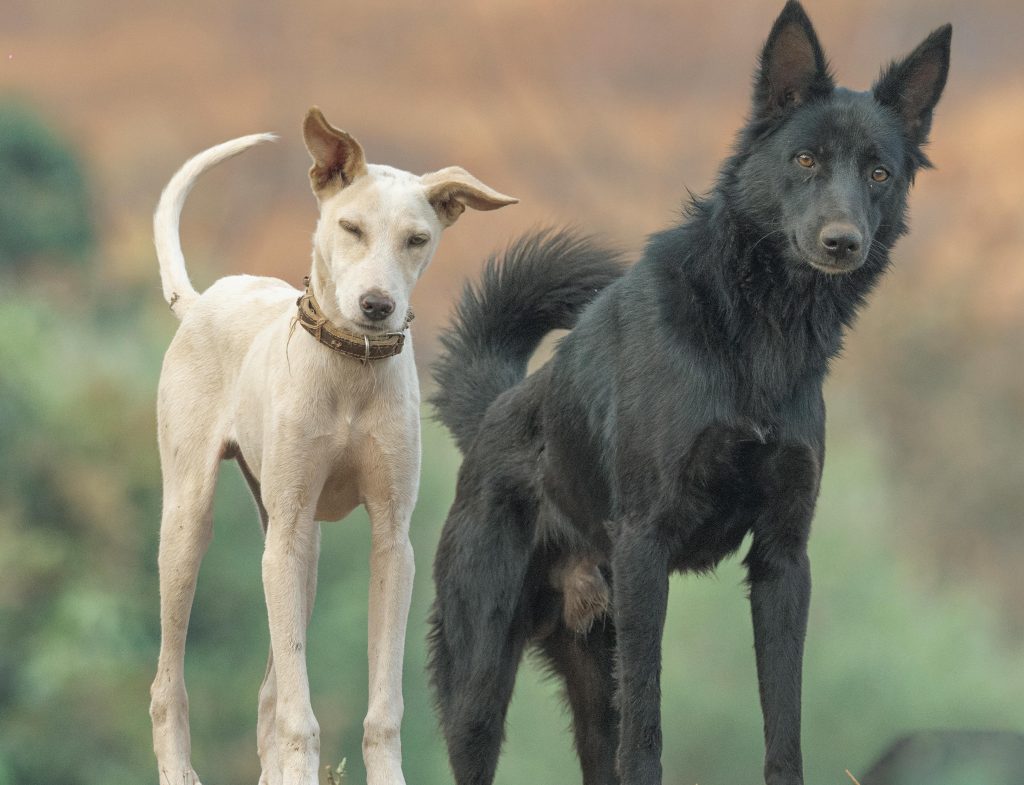
While popular breeds like Labradors and German Shepherds dominate households worldwide, there exists a fascinating world of rare and exotic dog breeds that many people have never encountered. These breeds often have unique histories, striking appearances, and specialized traits that set them apart. In this article, we’ll explore some of the most unusual and lesser-known dog breeds, highlighting their origins and distinctive qualities.
Azawakh: The Elegant African Sighthound
Originating from West Africa, the Azawakh is a slender, graceful sighthound bred by nomadic tribes for hunting and guarding. Known for its speed and endurance, this breed is both elegant and loyal, though it remains rare outside its native region.
Xoloitzcuintli: The Ancient Mexican Breed
Also known as the “Mexican Hairless Dog,” the Xoloitzcuintli has roots tracing back over 3,000 years. Revered by the Aztecs, it was believed to have spiritual significance. Today, it is admired for its unique appearance and calm temperament.
Thai Ridgeback: The Independent Guardian
Native to Thailand, the Thai Ridgeback is distinguished by the ridge of hair running along its back. Traditionally used for hunting and guarding, this breed is strong, independent, and protective, making it a rare treasure outside Southeast Asia.
Norwegian Lundehund: The Puffin Hunter
This unusual breed from Norway was developed to hunt puffins along steep cliffs. The Lundehund has six toes on each foot, flexible joints, and remarkable agility. Its quirky traits make it one of the rarest breeds in the world.
Catalburun: The Split-Nose Pointer
Found mainly in Turkey, the Catalburun is instantly recognizable by its split or double nose. Bred for hunting, this rare breed has an extraordinary sense of smell and remains largely unknown outside its homeland.
Why Rare Breeds Matter
Rare and exotic dog breeds are living pieces of history, reflecting the cultures and environments in which they were developed. Preserving these breeds is important not only for biodiversity but also for maintaining the traditions and stories they carry.
Conclusion
From the elegant Azawakh to the quirky Norwegian Lundehund, rare dog breeds remind us of the incredible diversity within the canine world. Though they may not be as common as Labradors or Poodles, their unique traits and histories make them truly unforgettable
-
Training And Behavior6 months ago
Can Group Training Sessions Improve Your Dog’s Social Skills and Obedience?
-
Lifesstyle And Aactivity6 months ago
What Are the Best Indoor Activities for Keeping Your Dog Entertained on Rainy Days?
-

 Health And Care6 months ago
Which Exercises Are Best for Keeping Your Dog Active and Fit?
-
Training And Behavior6 months ago
How Can Clicker Training Strengthen Communication Between You and Your Dog?
-

 Health And Care6 months ago
What Daily Habits Help Prevent the Most Common Dog Health Issues?
-
Training And Behavior6 months ago
Why Do Some Dogs Resist Training and How Can You Overcome It?
-
Lifesstyle And Aactivity5 months ago
Why Should You Include Playdates in Your Dog’s Weekly Routine?
-
Breeds And Types5 months ago
How Do Mixed-Breed Dogs Combine the Best Traits of Their Parents?